
Daokong GongSTANDING PRACTICE中文
Life beyond standing practice

Practice & daily life

A place to practice.
People to learn with.

Join the conversation, ask your questions, and explore how practice fits into the rest of your life.

Start exploring
DAOKONG GONG · EVERYDAY PRACTICELife beyond standing practice

What would you like to explore?

Start with a question that matters to you.

See all topics

See what practice looks like.

Take a look at a practice session. Press play when you’re ready.

01 / Practice & Daily Life

Practice with others

Guidance, questions, and support along the way

Practicing together

Our WeChat groups have teachers or teaching assistants who lead practice and answer questions. Start by telling our assistant a little about your experience and what you would like help with.

  1. Read the introduction to standing practice and the safety notes.
  2. Contact our assistant with your questions.
  3. Confirm the available options before joining a suitable WeChat group.
  4. Take part and bring questions from your own practice.

The assistant will confirm session times, locations, and activities. If you live outside China, include your time zone and preferred language so we can check what fits and whether English-language guidance is available.

Practicing together gives you support and feedback. You still need to pay attention to your own limits rather than keep going just because someone else does.

02 / Practice & Daily Life

Life at the courtyard

An ordinary place to practice and spend time together

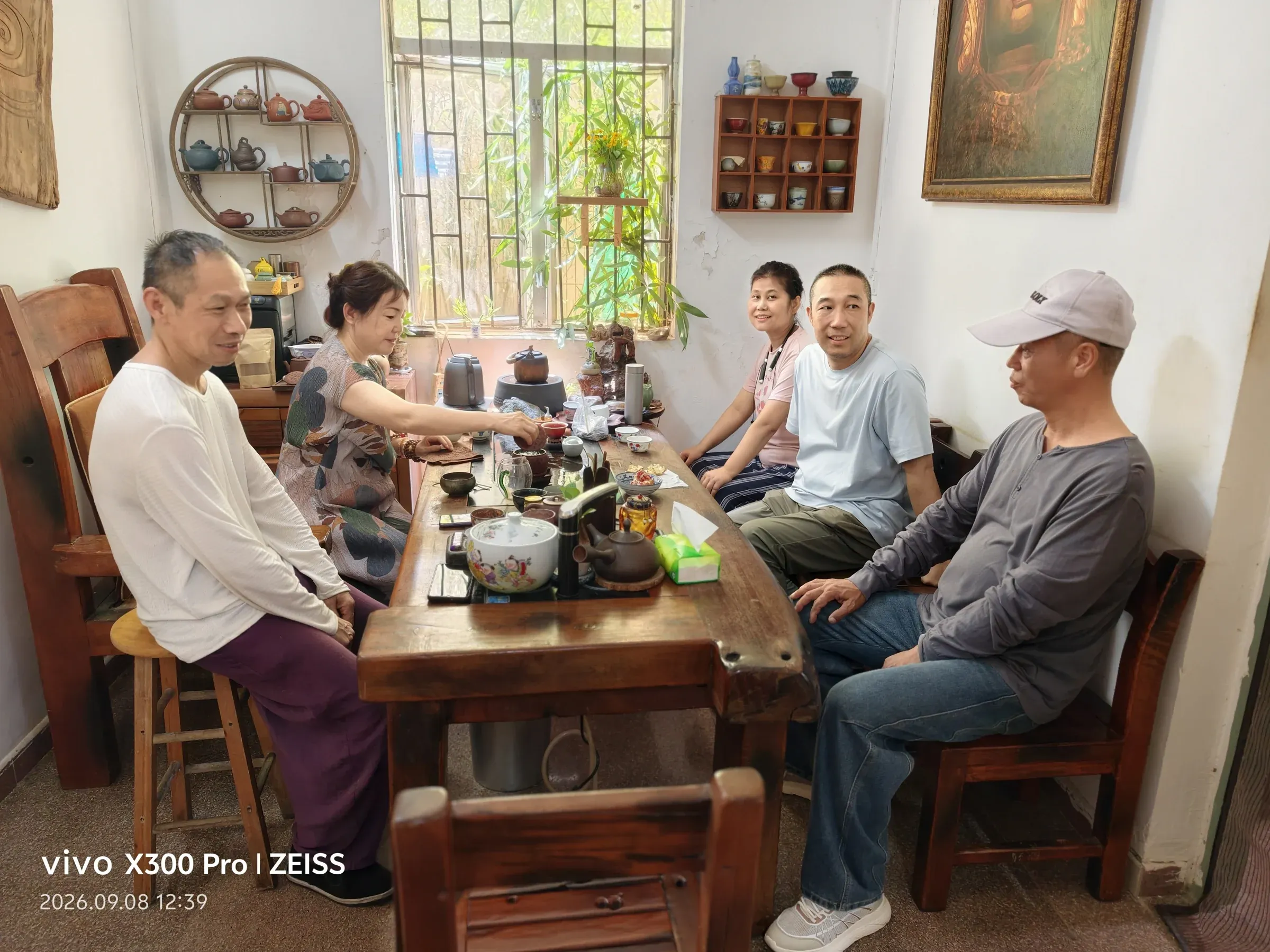
The accounts shared with us describe Zeng living near Wutong Mountain for more than ten years. The setting is modest: a place to stand, talk, drink tea, and get on with daily life.

Some accounts recall him getting up around 3:30 a.m. to drink water and practice. That describes his personal routine at the time. It is not a schedule students are expected to copy.

People come with different questions—about their bodies, their emotions, or how to feel steadier in life. The first step is often very concrete: find a stable way to stand and start noticing what is happening.

The courtyard makes room for that simple beginning, alongside conversation and the ordinary company of other people learning.

03 / Practice & Daily Life

Keep a practice journal

Small observations are worth writing down

Everyday practice

Not every session feels remarkable. Some days you may notice very little. You can still record what you did and how you felt, without needing to turn it into a story of progress.

We will share students’ journals only with their permission and with the relevant context. No individual journals have been published here yet.

Three useful things to note

What you practiced. How you felt afterward. How you felt later.

Include the actual time, one question, and one adjustment. Someone else’s experience may be interesting, but it is not a feeling you have to reproduce. Personal accounts also cannot establish a medical benefit.

Download a practice record (CSV)

04 / Practice & Daily Life

Bring it home

Practice shows up in how we treat people

Conversation over tea in the courtyard

It can be easier to listen patiently to a teacher than to someone at home when you are tired. Familiar disagreements can bring back familiar reactions very quickly.

That is part of the practice too. Notice when care turns into control, when giving comes with an unspoken demand, or when a new disagreement brings up an old grievance.

Cultivating the heart-mind becomes concrete in these moments: put down your phone and listen, share a meal without rushing, acknowledge a mistake, or apologize when you have hurt someone.

The point is not to judge yourself for failing to stay calm. It is to recognize a habit and find a little more room to respond. A quiet standing session matters, and so does what happens when you leave it.

05 / Practice & Daily Life

Practice in ordinary moments

Walking, tea, conversation—and getting on with your day

Zeng Jianqiao with students

What does “practice without practicing” mean?

The phrase bu lian zhi lian describes how something learned in a formal session can become part of ordinary life. Zeng describes an understanding returning while drinking tea, walking, or sitting quietly. You do not need to make it happen or monitor yourself all day.

Can I have tea after practice?

Tea is part of everyday life at the courtyard. There is no need to turn it into another exercise. Drink your tea, enjoy the company, and rest when you need to rest.

What can I notice while walking?

As you step, weight passes from one foot to the other. You can occasionally notice that shift, your normal breathing, and your surroundings. There is no special way of walking you need to perform.

What does sweeping have to do with practice?

An ordinary task can reveal familiar habits: doing all the work with one arm, holding your breath, or becoming tense because you are rushing. Notice what the task calls for and where you are adding extra effort.

What does “stand steadily before speaking” mean?

You do not need to take a formal posture before a conversation. The idea is to notice your own state before reacting, especially when emotions are running high. Give yourself a moment to listen before answering.

06 / Practice & Daily Life

Stories from practice

Personal experience, shared honestly

Teachers and friends together

An honest account includes the circumstances, the time involved, and what the person actually noticed—even if very little changed.

We will publish individual stories with permission and preserve that context. We have not yet published verified personal testimonials here. Illustrative examples will not be presented as real student records.

A story may help someone understand the practice or feel less alone. It is not proof that the practice treats an illness, and it does not replace medical care.

Your next step:
begin with standing.

Explore ways to learn