Does it work for you?
A hand position that feels manageable for one person may be too tiring for another.
 Daokong GongSTANDING PRACTICE中文
A standing practice for bringing body and mind back into a more natural balance.
Learn the posture.
Bring it to life.
A practice shaped around you.
Daokong Gong is an approach to Zhan Zhuang, or standing meditation, guided by song, tong, and kong: releasing tension to care for body and mind, allowing easy breathing and openness throughout the body, and resting in quiet awareness to return to a natural ease. Learn a posture, adapt it to your circumstances, and bring that understanding into daily life.
Meet Daokong GongA posture can look right and still feel wrong.
We pay attention to the person doing it.
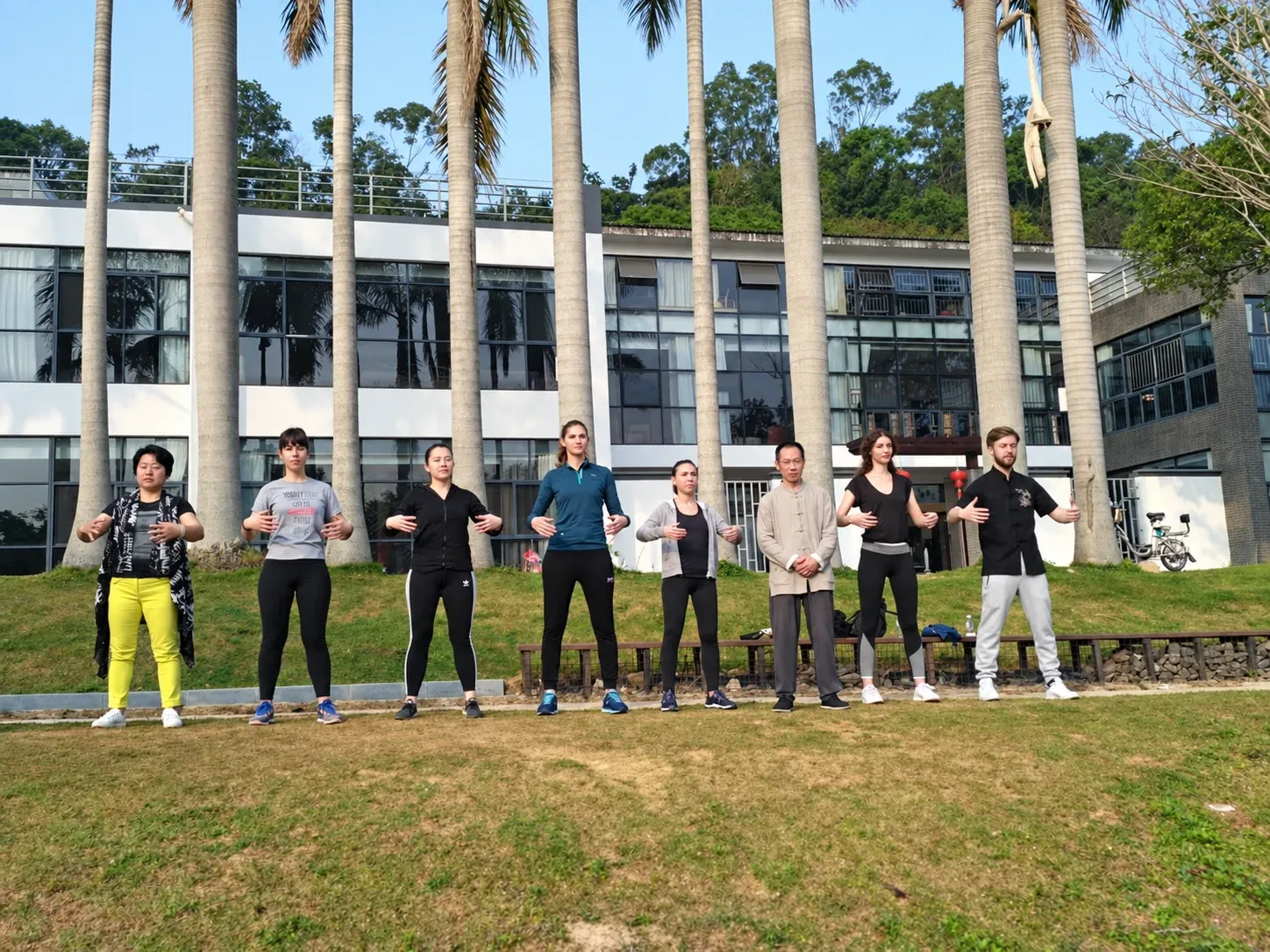
A look at a practice session, rather than a step-by-step lesson.
A hand position that feels manageable for one person may be too tiring for another.
Notice whether you can breathe normally and make small adjustments without straining.
Check in after practice, later in the day, and the next morning. That feedback matters.
Take a look at a practice session. Press play when you’re ready.
Care for the body. Make room for the breath.
Let the mind settle into a natural ease.
Let unnecessary tension ease through your muscles and joints, from your shoulders and back to your hips and limbs. Keep the support you need to stand comfortably, and give yourself permission to slow down. Song is a way to care for both body and mind.
Let your breathing come and go naturally as your whole body has room to open. Allow your shoulders, arms, back, and hips to work together without feeling cramped or held tight. There is no need to stretch forcefully, hold your breath, or try to push it through the body.
Give your mind room to settle and rest while remaining clear and quietly attentive. Let thoughts come and go without chasing them or trying to shut them out. With less effort to control each moment, return to the simple experience of standing, breathing naturally, and being present in daily life.
Whether you’re new or have practiced for years,
start with the questions you have now.
Learn what the practice involves before trying to hold a posture longer. A short session can give you plenty to explore.
Explore moreBring the tension, uncertainty, or questions you actually notice. Work through them one adjustment at a time.
Explore moreExplore the relationship between posture and intention, the meanings of Dao and Kong, and what these ideas have to do with daily life.
Explore moreHolding a posture takes some effort.
Clenching your jaw doesn’t have to be part of it.
“Rest while exercising,
and exercise while resting.”
Wang Xiangzhai · Zhan Zhuang Gong MantanTranslated excerpt
Explore how traditional standing practice brings attention, breathing, and the body together. We explain the teachings in context and distinguish personal experience from medical evidence.
How practice and wellbeing connectStanding practice does not replace medical care. Personal stories cannot establish that a practice treats an illness.
Where are you tensing? Are you holding your breath? Is the effort manageable?
Change one thing at a time: your hands, stance, session length, or how you understand an instruction.
Notice how you feel afterward and the next day.
Use what you noticed to guide your next practice.
An interpretation of Wang Xiangzhai’s teaching on shenyi: presence and intention
The posture gives you a starting point.
Attention and intention make it a practice.
What you learn can show up in how you walk, work, listen, and care for other people.
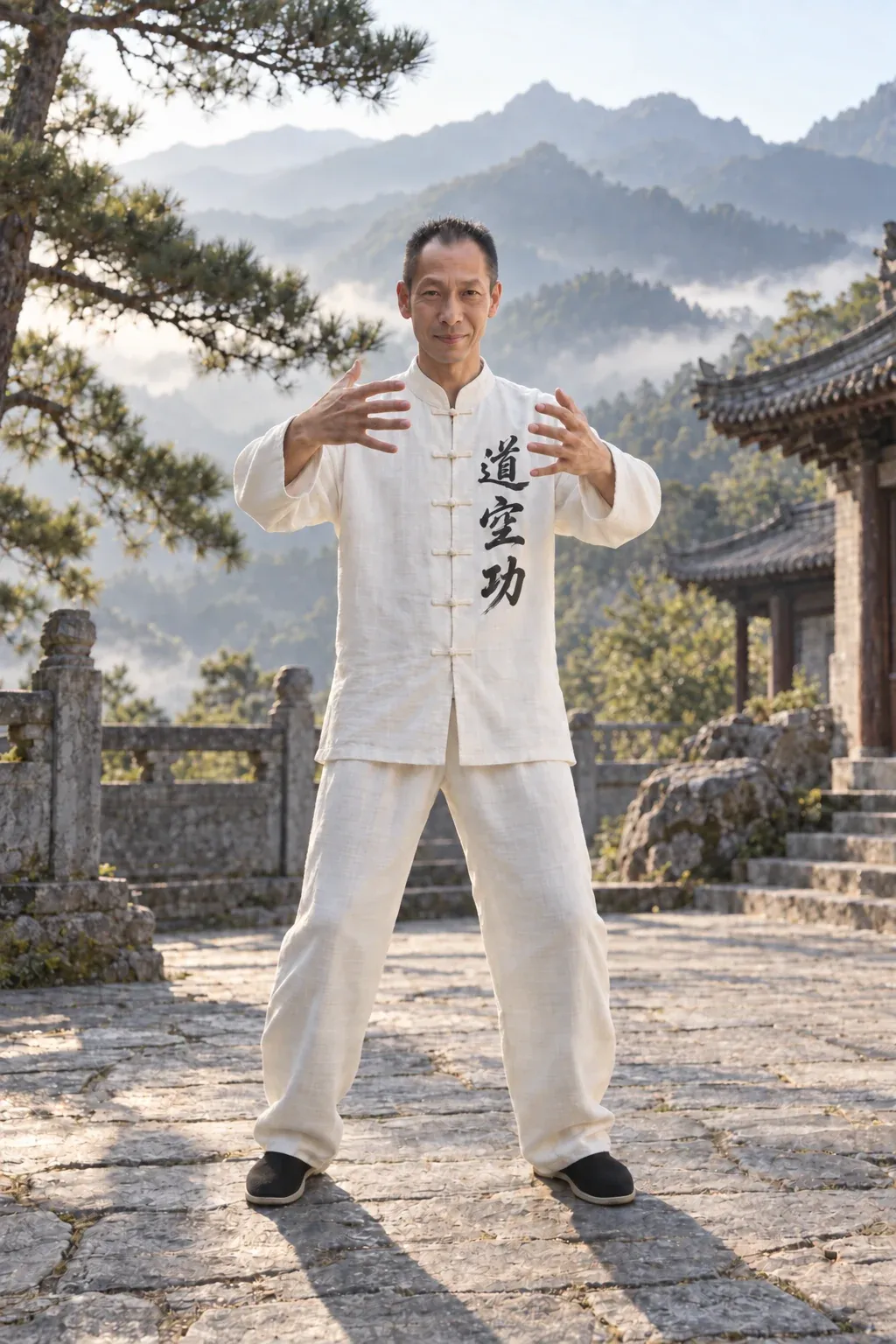 Zeng Jianqiao · In practice
Zeng Jianqiao teaches Daokong Gong near Wutong Mountain in Shenzhen, China. His teaching connects standing practice with caring for the body and cultivating the heart and mind.
For him, practice begins with the body and reaches into how we treat people: becoming less guarded, more patient, and more willing to care.
Meet the teacherGet guidance, ask questions, and keep learning.
Our WeChat groups are led by teachers or teaching assistants.
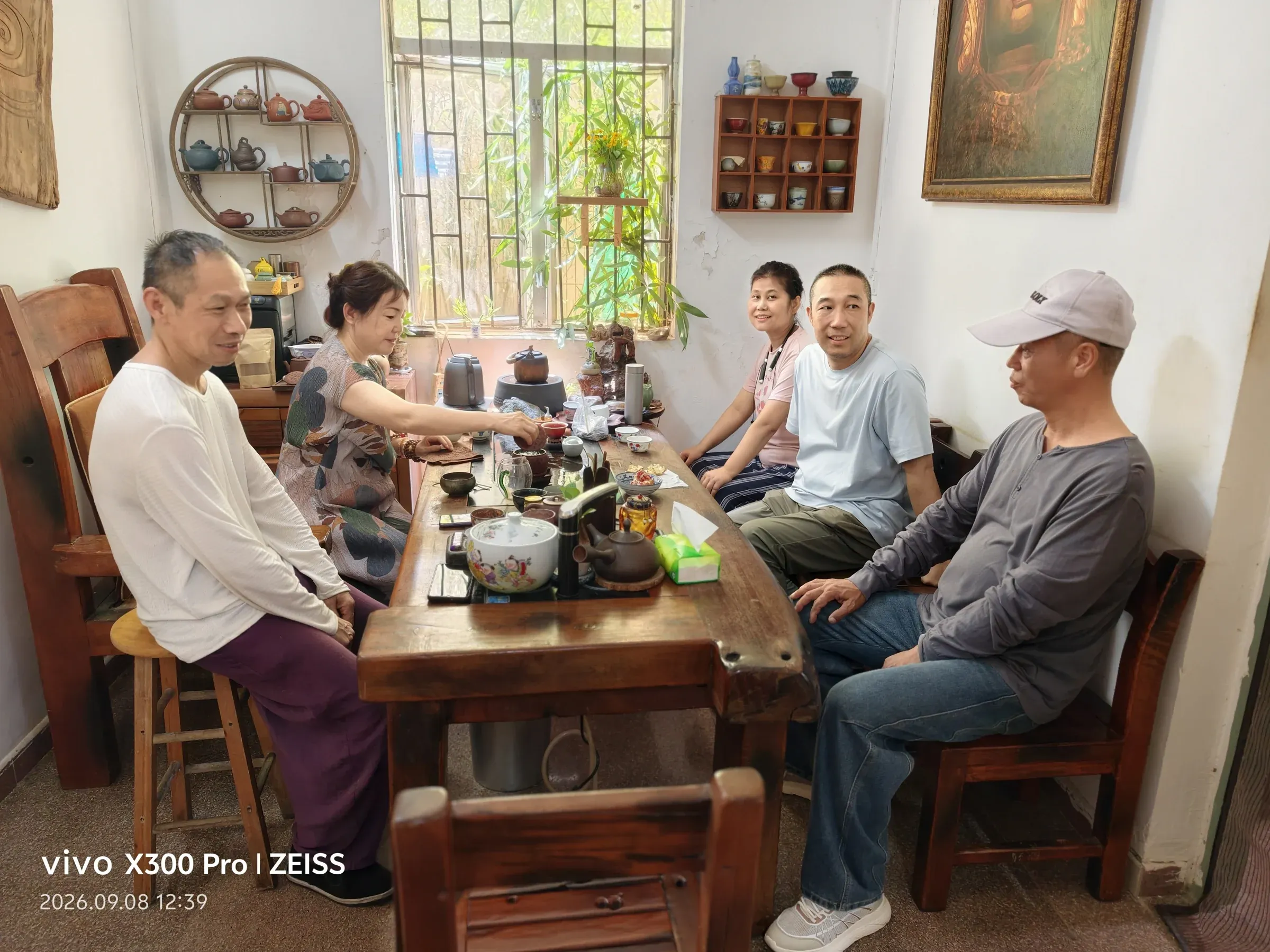 A shared practice. An everyday connection.
Talk with us about your experience and what you’d like help with. We’ll help you explore a suitable group.
Bring what you notice in practice. A teacher or assistant can help you work out what to adjust.
Build a routine you can keep—and explore how practice carries into work, family, and relationships.
Ask our assistant about learning and WeChat practice groups.
Let us know your preferred language and time zone.
Read the beginner’s introduction and safety notes, then talk with a teacher or assistant about your needs.
Contact our assistant with your experience and questions. They’ll explain the available groups and help you find a suitable option.
No. Hand position, posture, and session length need to reflect your circumstances and how you respond.
No. Standing practice does not replace diagnosis, medication, medical treatment, or professional rehabilitation.